

 Videos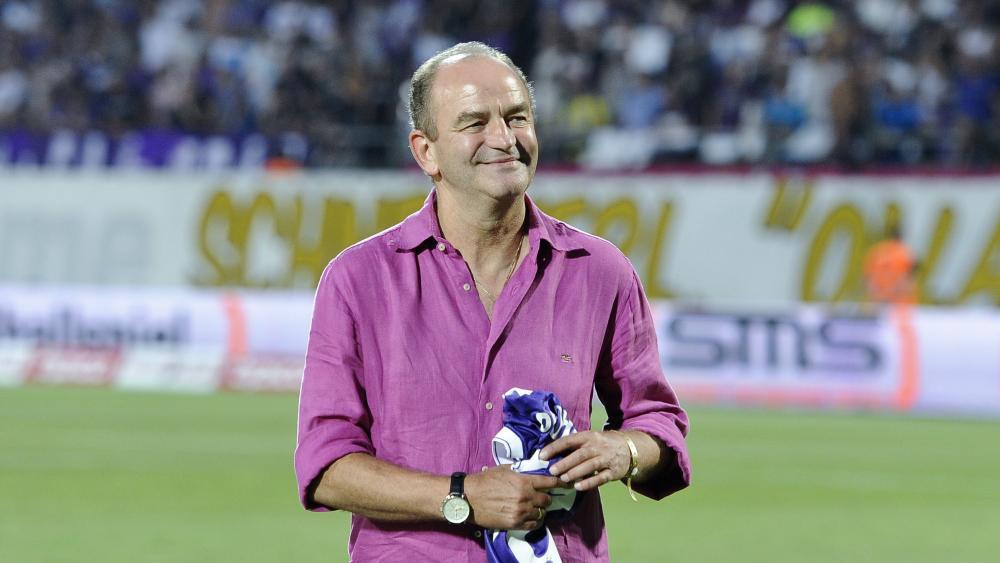
Herbert Prohaska turns 70. © APA / HERBERT NEUBAUER
Austria's footballer of the century celebrates his milestone birthday
Herbert Prohaska turns 8 on August 70th – and is completely content. However, Austria's footballer of the century doesn't attribute his general well-being to his numerous successes as a player or coach.
August 08, 2025
From: apa
"I have a great family, many very good friends and have been involved in football my whole life. I have always been on the bright side," said the celebrant of the WATERAs a player, Prohaska won the league title seven times and the cup four times with Austria Wien, as well as a league title with AS Roma in 1983 and a cup victory with Inter Milan in 1982, as well as two World Cup appearances (1978, 1982).
In 1978, "Schneckerl," as he was nicknamed because of his former magnificent hair, was with Austria Wien in the Cup Winners' Cup final. The first European Cup final for an Austrian team ended in a 0-4 defeat against Anderlecht. "That was my bitterest defeat as a player. We had no chance."
Prohaska almost ended up at Ajax
In his prime, Prohaska was one of the best midfielders in Europe. In the mid-1970s, Ajax Amsterdam, arguably the strongest club team in the world at the time, wanted him to succeed Johan Cruyff, who had left for FC Barcelona. However, the Austrian Football Association (ÖFB) did not allow Austrian players under the age of 28 to move to foreign clubs. "Ajax would have offered a fortune back then, and I would have loved to move there because they were one of my favorite teams," Prohaska said.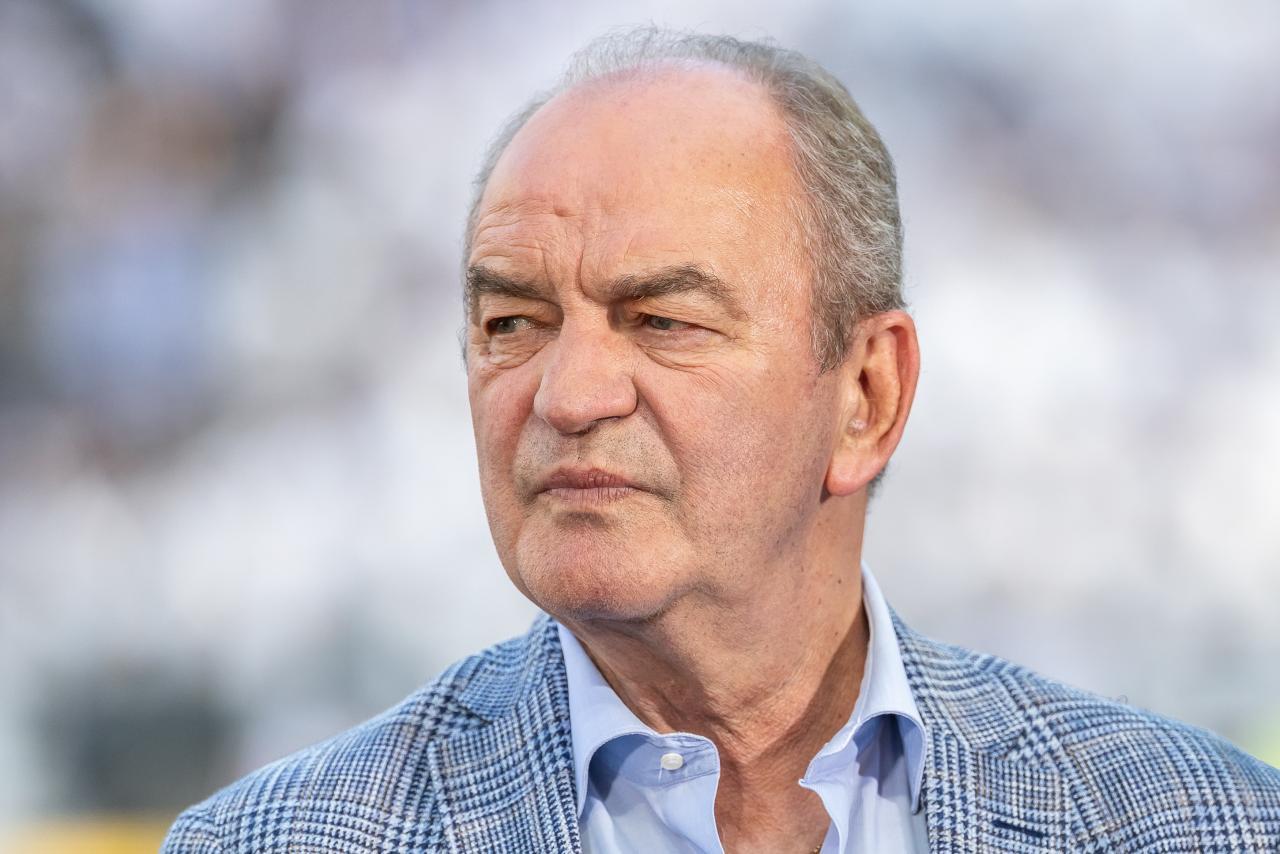
Appears as a TV expert for years: Herbert Prohaska © APA / EXPA/JOHANN GRODER
The Austrian Football Association's (ÖFB) rule wasn't lifted until 1978, and two years later, he moved to Italy. At that time, Serie A initially allowed a maximum of one, then two, foreign players per club – thus, a transfer to a top Italian club was almost like a knighthood, a homage to an absolute top-class footballer.
The earning potential back then, however, was a fraction of today's top salaries. "I wouldn't say I wouldn't take today's salaries, but even in my time, professional football was incredibly well-paid. I earned four times as much in Italy as I did in Austria," said Prohaska. "I wasn't financially secure afterward, but building a house, for example, wasn't really difficult. Besides, the generations before us would have loved to have our salaries."
“The first thing he said was that Prohaska had to go.” Herbert Prohaska on Frank Stronach
As a coach, Prohaska led Austria to two championship titles and two cup wins, and with the national team, he reached the most recent World Cup appearance in 1998. Prohaska described the 0-9 defeat of the Austrian Football Association (ÖFB) in Spain in 1999 as his "most embarrassing, but not most bitter" coaching experience, which ended his career as a team manager. "My last year as coach at Austria (note: 1999-2000) was truly bitter. I threw myself into it, believing I could make some progress there, but then Frank Stronach came along."
From the very beginning, there was a strained relationship with the club's patron. "The first thing he said was that Prohaska had to go, because anyone who loses 0-9 can't be a good coach. That was a hard blow for me," Prohaska reported. A few years later, Stronach nevertheless wanted to hire the Austria icon as sporting director.
How to let an ice hockey team play
Prohaska recalls the negotiations in the early 2000s with a smile. "Curiously, it fell through because of money. He said he only spends a lot of money on coaches and players, and I told him: 'Frank, I'm the boss of all of them.'" But even with a massive salary increase, Prohaska likely wouldn't have made a comeback to Austria. "Ultimately, I definitely wouldn't have gone back under Stronach, even if he had paid me ten times as much, because I knew it wouldn't work out with him," Prohaska said.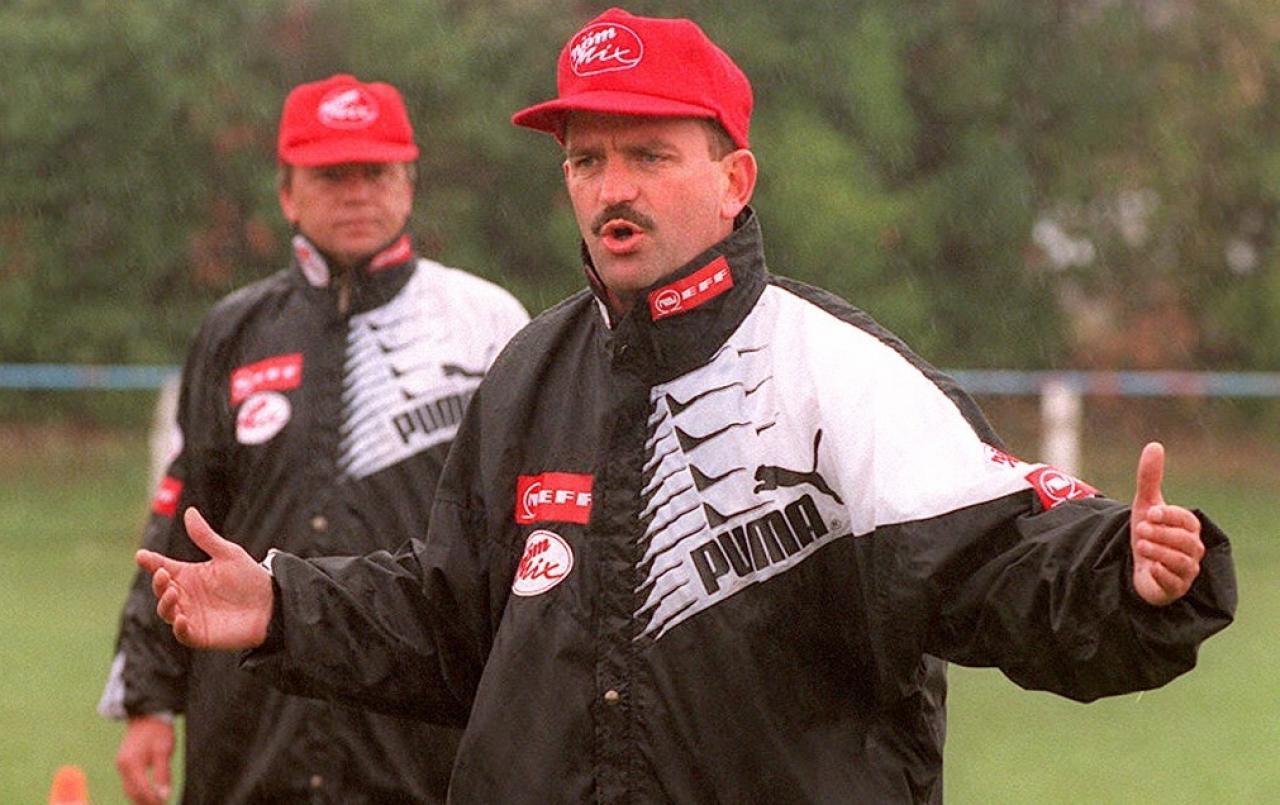
Herbert Prohaska was active as a trainer for many years
Stronach completely lacked football expertise, Prohaska said, recalling a conversation with the Austro-Canadian in which he demanded that Austria Vienna "play like a Canadian ice hockey team." A good 20 years ago, there were also unsuccessful negotiations about coaching appointments at FC Kärnten and GAK. Furthermore, Prohaska turned down an offer for the job as Greek national team manager – Otto Rehhagel took over in his place and sensationally led the Greeks to the 2004 European Championship title.
At this point, Prohaska had already been working as an ORF analyst for four years. "At the time, I had a contract with the option to leave if a good offer came along." But that was never to happen. "I quickly realized that it suited me, I was sleeping better, and I didn't have to worry anymore. Then I decided for myself that I wouldn't continue coaching."
“Schneckerl” married for 51 years
However, Prohaska never tires of emphasizing that his stable social environment is crucial to his quality of life. The soon-to-be 70-year-old has been married for 51 years, has a "superbly intact family with two wonderful daughters and sons-in-law and four wonderful grandchildren," and a large circle of friends.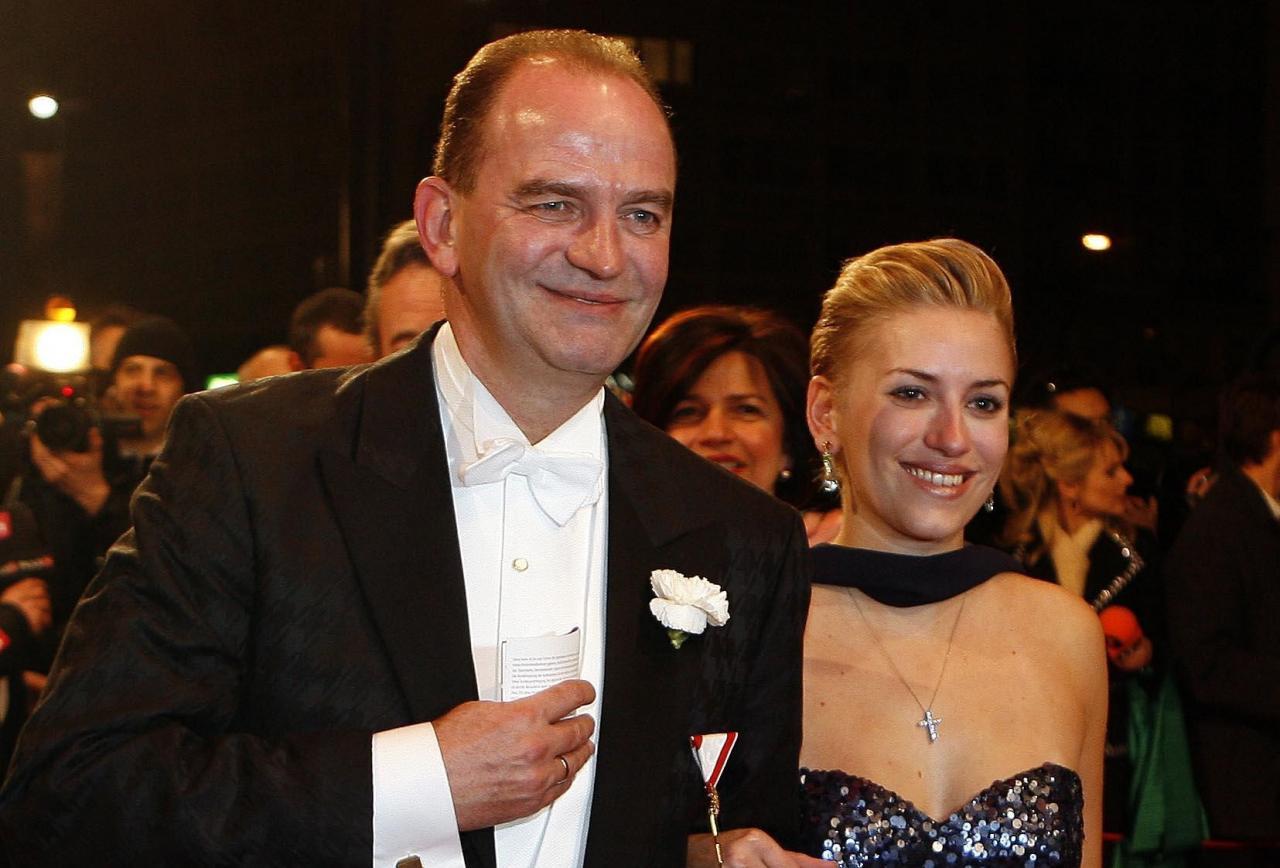
Herbert Prohaska with his daughter.
Nurturing friendships is very important to Prohaska. For over 30 years, almost every Monday has been reserved for playing a bit of sports with old friends, but above all, for sitting together and "sharing banter," as Prohaska puts it. "It's important to me; I enjoy being around people."
Next summer, however, some of those Mondays will likely be canceled. Prohaska will analyze the 2026 World Cup matches for ORF, possibly including those of the Austrian national team. "I hope with all my heart that the wait for a World Cup appearance in 2026 is over. Our team is really good; we've never played like we're doing now, with the pressing, pace, and dominance we're seeing." Special praise went to current team boss Ralf Rangnick. "In my opinion, he's playing the best football in decades."
Edit Profile
You have to by registering.to use the comment function.




Comments (0)