

 Videos
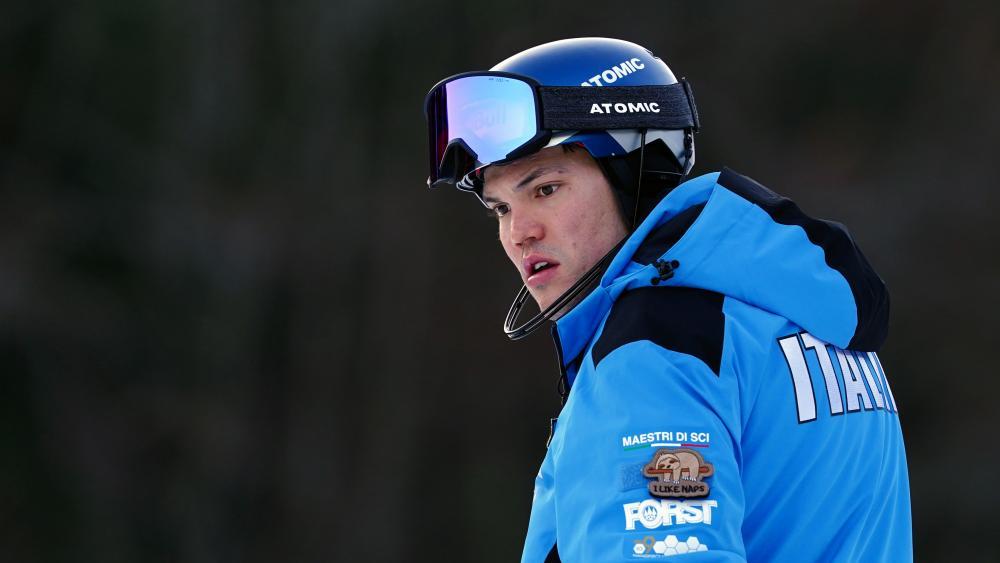
Alex Vinatzer is looking forward to the new season. © Pentaphoto
Alex Vinatzer: "As if your girlfriend would leave you"
For many years, he has been by far the best and most successful slalom and giant slalom specialist in South Tyrol. Alex Vinatzer has nevertheless experienced many ups and downs in his career. Last season was particularly intense, leaving a lasting mark on the 26-year-old – and also leading to a change of heart.
August 19, 2026
From the Mulin da Coi sports centre
From:
Leo Holzknecht
The Olympic Games are the ultimate event for every winter sports athlete. It's something you dream about from a very young age. Just participating can unleash boundless euphoria and endless emotions. Because only a select few get to celebrate winning medals. Alex Vinatzer had such a precious metal within his grasp at the last Winter Games on home soil when he was last in the starting gate for the team combined event. However, crushed by immense pressure, he couldn't hold onto the lead handed to him by Giovanni Franzoni. As a result, he was eliminated in both the slalom and the giant slalom.
Vinatzer spoke about these days, the following weeks, the mental exhaustion, the constant coaching changes and a new approach before his departure for Ushuaia (Argentina) at the Mulin da Coi sports center, where the Val Gardena native prepared for the new season in the summer with his fitness coach Elia Berti.
You competed in your first World Cup giant slalom race in the fall of 2021. Four years later, at the start of last season, you stood on the podium for the first time in Beaver Creek. Did you ever imagine you'd go this far in your "second" discipline?
“I’ve always enjoyed giant slalom. I even think I was once the Italian U18 champion. But because things were going so well in slalom, it was difficult to incorporate this second discipline into my training. And I have to say that my old equipment wasn’t helping me. Since I switched to Atomic skis, things have progressed quite quickly: my first points, top 15, top 5. Of course, it gets harder the further up the rankings you are. But after gaining the necessary experience in giant slalom, I managed to get on the podium. I hope it continues like this in the future.”
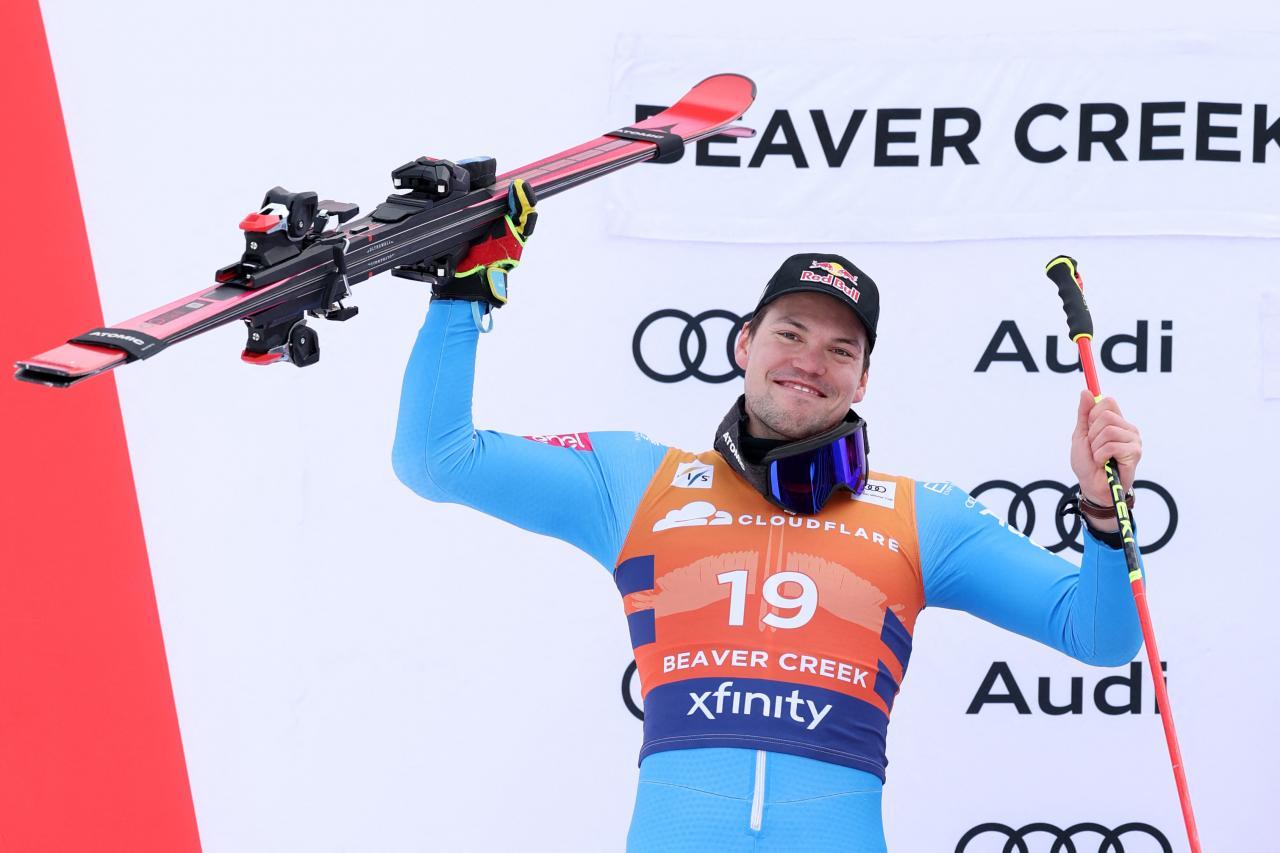
Alex Vinatzer secured his first giant slalom podium finish in Beaver Creek. © GETTY IMAGES NORTH AMERICA / CHRISTIAN PETERSEN
After the New Year, my form dipped slightly until the bitter Olympic Games. How do you look back on that time now?
“I have to admit it was pretty tough – especially after the Olympics. That was reflected in the results of the last World Cup races. If you want to be competitive at such a high level, you have to be at 100 percent in every respect. I was especially tired and exhausted mentally. I only recovered from these events in June. But now I feel ready and motivated again. The conditioning training and the first days on snow on the glacier went well, but yes: it was a difficult few months.”
You analyzed last season. Looking back, would you do anything differently?
"That's always hard to say. Everything went very well until December. After the New Year, however, we strayed somewhat from our path. We tried to do more than was actually necessary. The pressure increased, I messed up a few races – and then the Olympics were upon us. So there are one or two things I would definitely do differently from January onwards."
"I've stopped reading the things that are written on social media." Alex Vinatzer
How do you deal with criticism in moments like the Olympics? Does it roll off you or does it get to you?
“I’ve stopped reading things that are written on social media. These days, I only spend ten minutes a day on Instagram and the like because I want to invest my time differently. During the interviews in the finish area, you’re definitely aware of the atmosphere around you. It seems like the world is ending, even though it’s ultimately just a ski race. Nevertheless, you think about it for a long time afterward—especially after events like the Olympics, when there was a real chance of winning a medal. But criticism is also part of the sport. You can’t do anything but learn from your mistakes and do better next time.”
After the Olympics, your coach Mauro Pini resigned. How much strength and energy do these constant changes in the coaching team cost you athletes?
"It's simply unpleasant. You place your complete trust in this person. When the coach suddenly leaves, it almost feels like your girlfriend has left you. And it's not only difficult to recover from that, but also difficult to approach the new person with the same trust. You don't fully commit at the beginning. What will he say? Can you believe him? It's no coincidence that the best athletes have consistently relied on the same coach for years. Trust in the project is essential."
How have you been getting along so far with the new coaching team of Max Blardone, Giancarlo Bergamelli and Alexander Prosch?
“We’ve only had two training camps so far, where we approached things very calmly. Alexander Prosch is my main contact person. I know him well because he also coached me in the European Cup group back then. He’s from South Tyrol like me, and it’s easy to chat and talk to him. We agree on what we want to achieve technically and what mindset we want to use when approaching the races. In Argentina, we now need to figure out what works well for me and what doesn’t.”
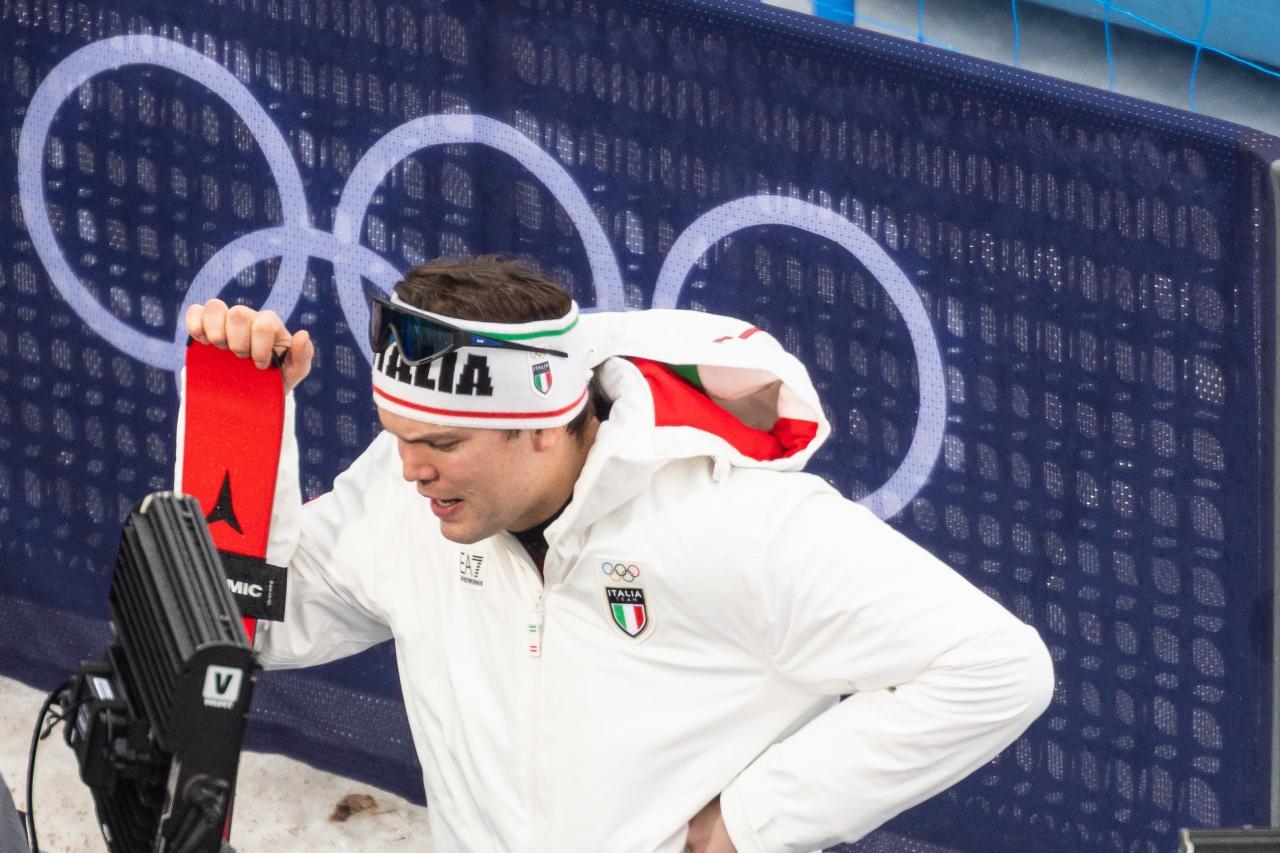
Alex Vinatzer experienced difficult times at the Olympic Games. © APA / EXPA/ JOHANN GRODER
You mentioned a changed approach. Could you elaborate on that?
“Winning a World Cup race is what I'm missing and what I long for. This unbridled will to win has helped me so much in my career, but at the same time, it has also cost me important races through excessive risk-taking and mistakes. For the new season, I'm trying to distance myself somewhat from this relentless drive. That doesn't mean I'll settle for less, because winning is still the ultimate goal. But I'm trying to focus on other aspects – like technique. And then I'm excited to see where that will take me.”
Last question: You've often mentioned competing in the Super-G in the past. Will we see you in a World Cup race for the first time this year?
“No, I don’t think so. I only complete a maximum of seven training sessions per year in this discipline. And when I do that, I’m not doing too badly. But until I have the 500 World Cup points that would allow me to start with bib number 31, it doesn’t make sense. Because I don’t have time during the winter to reduce my FIS points in European Cup or FIS races. So the better I ski in the technical disciplines, the greater the chance that you’ll see me in the Super-G.”
Edit Profile
You have to by registering.to use the comment function.


Comments (0)